NZ drops to new low in global tobacco control ranking
New Zealand’s ranking has plummeted from second in 2023 to 53 in a global study assessing the interference of the 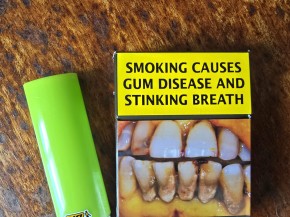 tobacco industry.
The 2025 Global Tobacco Industry Interference Index examines how governments worldwide are responding to interference by the tobacco industry and protecting their public health policies from the industry's commercial interests.
NZ is highlighted in the global report as ‘most deteriorated’ in tobacco industry interference, a far cry from when the nation was held up as world-leading in smokefree policy.
Cancer Society Head of Advocacy and Public Affairs Rachael Neumann said the Cancer Society provided information from NZ to contribute to the global report. It was the fourth consecutive time the Cancer Society had compiled the two-yearly New Zealand Tobacco Industry Interference Index report. This year the report was reviewed by the University of Otago
“The drop in ranking is largely because of the Governments’ repeal of strong Smokefree laws (against health expert and public support), a tax cut to heated tobacco products (against Ministry of Health and Treasury advice) and many examples of what’s known as the ‘revolving door’, where tobacco lobbyists move in and out of government roles,” she said.
Health Coalition Aotearoa (HCA) said the dramatic fall in NZ’s ranking was an “indictment on our nation”.
HCA’s Smokefree Expert Advisory Group co-chair, Professor Chris Bullen said the report showed the Government’s actions were far too closely aligned with the tobacco industry’s agenda.
“This report shows our government, blindly letting Big Tobacco waft back into New Zealanders’ lives despite decades of relentless work towards the Smokefree Aotearoa 2025 goal. How many times do we have to remind the government that tobacco kills?” asked Bullen.
Despite overwhelming opposition from health experts, Māori health providers and other New Zealanders, in early 2024, the Government repealed crucial elements of the Smokefree Act, gave tax breaks to tobacco companies through the reduced excise tax on heated tobacco products, and continued to allow unregulated lobbying by the tobacco industry.
Bullen said: “We are the first country in the world that we’re aware of with a government that has reduced a tobacco tax. Tobacco remains the leading cause of preventable death in Aotearoa. Rolling back protections and bending to industry pressure is not just shameful, but harmful – it will have health consequences for many of New Zealand’s most vulnerable people.”
Māori smoking decrease stalled
 The results of these rollbacks are reflected in the recently released New Zealand Health Survey which shows that for the first time in more than a decade, Māori smoking is no longer declining.
This stall in Māori smoking rates, says Hāpai Te Hauora, didn’t happen by accident and is a reflection of the environment Māori communities have been pushed into, shaped by poor policies and commercial pressures.
The new data shows Māori daily smoking has increased from 14.8% to 15% (around 99,000 adults), highlighting worsening tobacco harm. This harm is intensified in poorer communities, where smoking rates remain higher, and tobacco outlets are far more concentrated than in wealthier areas – with Māori women in the poorest areas more than six times more likely to smoke daily than those in the wealthiest areas.
“Tobacco still kills thousands every year in Aotearoa, and Māori bear the heaviest burden of that harm,” says Jasmine Graham, General Manager of Hāpai Te Hauora. “The concern is not the slight movement in the numbers; it is the loss of momentum.”
Stalled progress means preventable harm stays at the same level, and inequities remain entrenched.
Ms Neumann added that the Cancer Society’s message was simple – cancer prevention policy should be “based on evidence, not commercial-vested interests of tobacco companies”.
“Tobacco industry interference leads to more smoking, more addiction and ultimately more cancer. This is about integrity in public health.
“Tobacco remains the biggest preventable cause of cancer and a major driver of health inequities in New Zealand. To achieve a future free from cancer our tobacco policies must be protected from tobacco industry interference.”